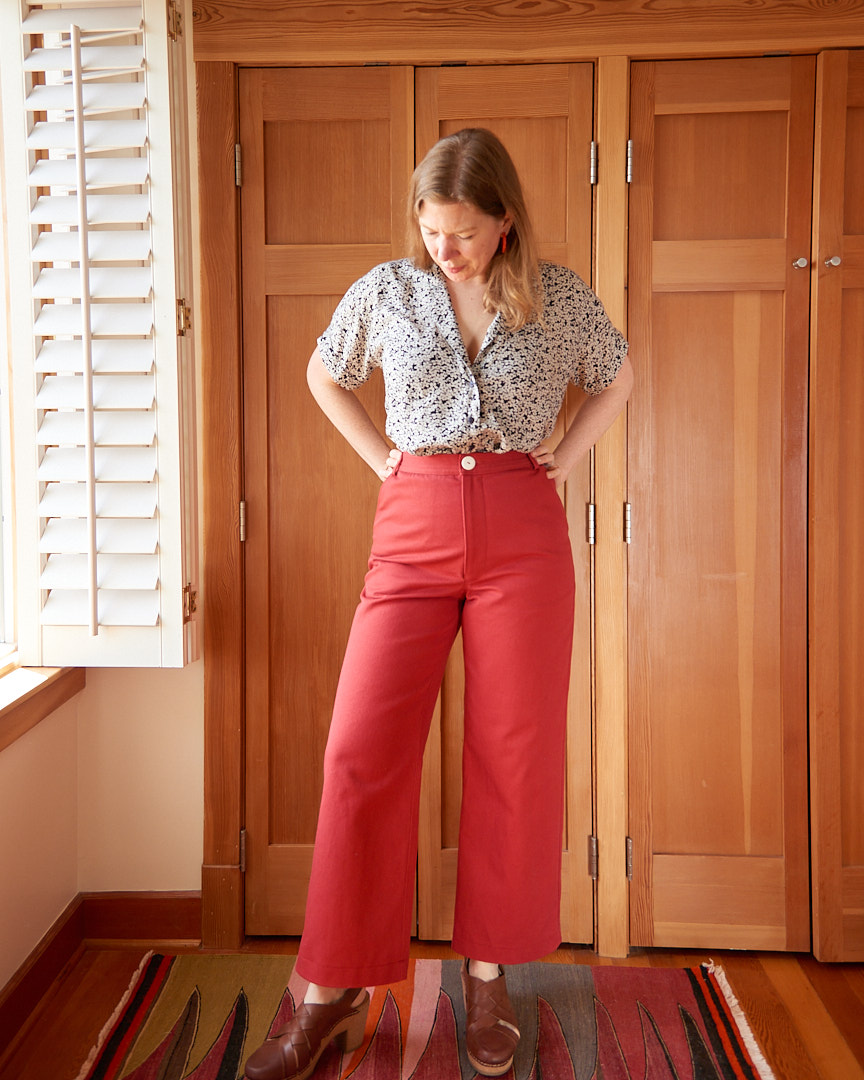
It is no secret that I love pants and I love Daughter Judy patterns, so you can imagine my excitement when they asked me to help test their latest pattern, the Brier pants. Of course the answer was an immediate yes. In today’s post, I’ll review the pattern and share some tips for making it. In a future post, I’ll compare the Briers to a few other popular wide leg pants patterns.

Design and Inspo
Daughter Judy is one of the few indie pattern companies that shares their design inspiration, which I find hugely helpful in understanding the intended fit. The testing group received the images below to help us understand the design:
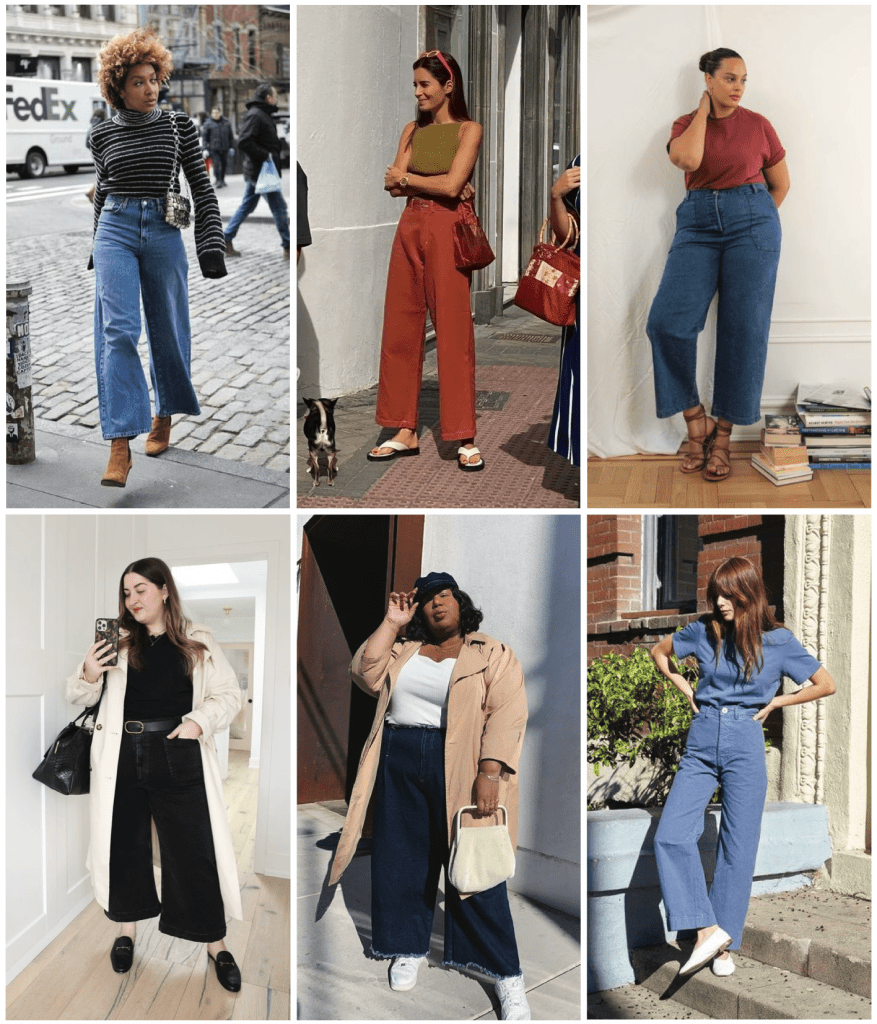
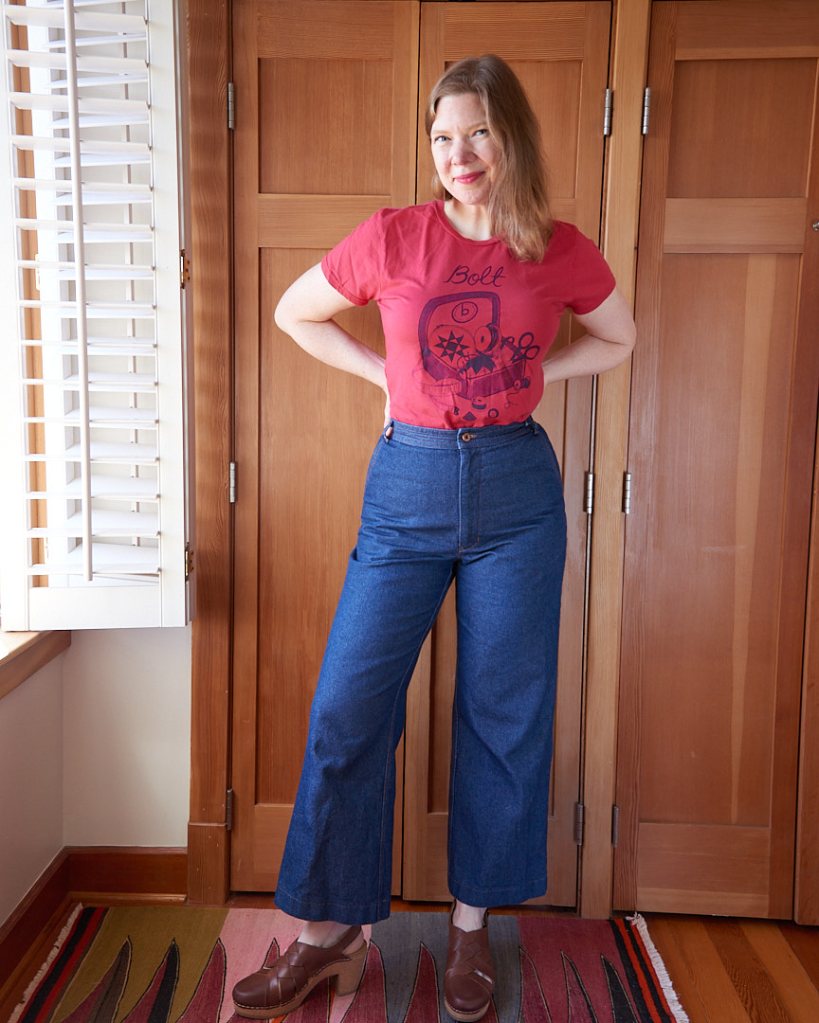
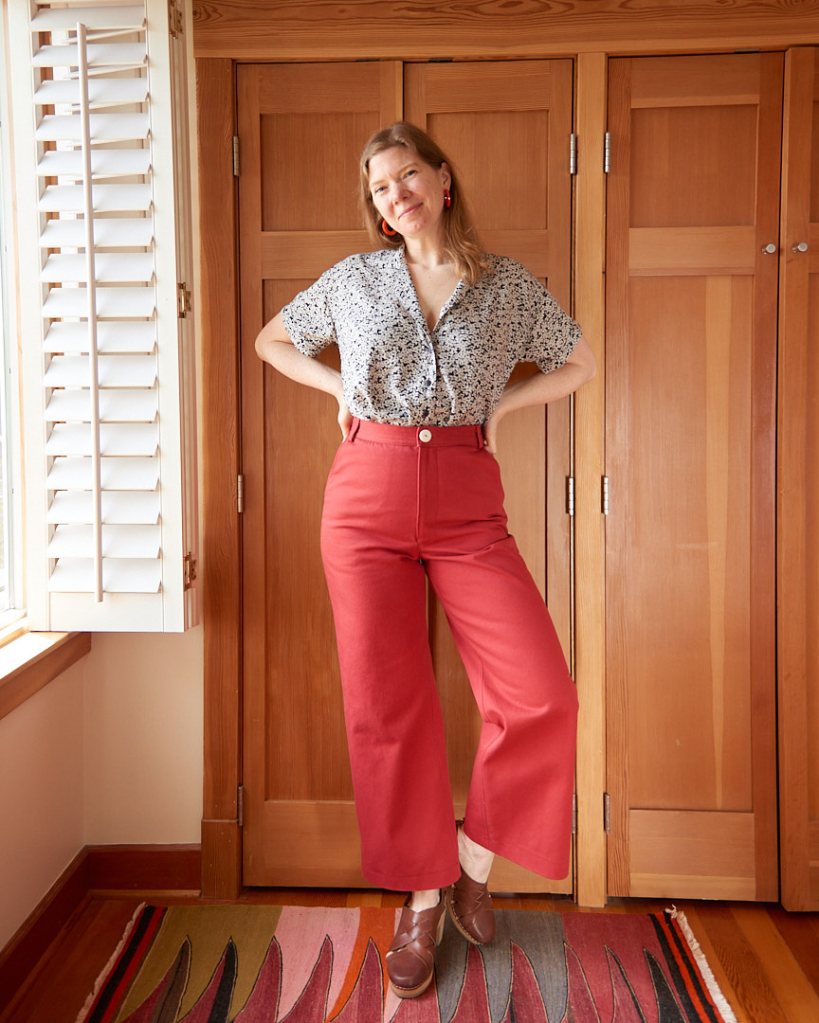
The Brier pants are an interpretation of the classic sailor pant; a curved waistband that sits high on the natural waist, snug through the hips, front slash pockets, and with a wide leg that finishes around the ankle.
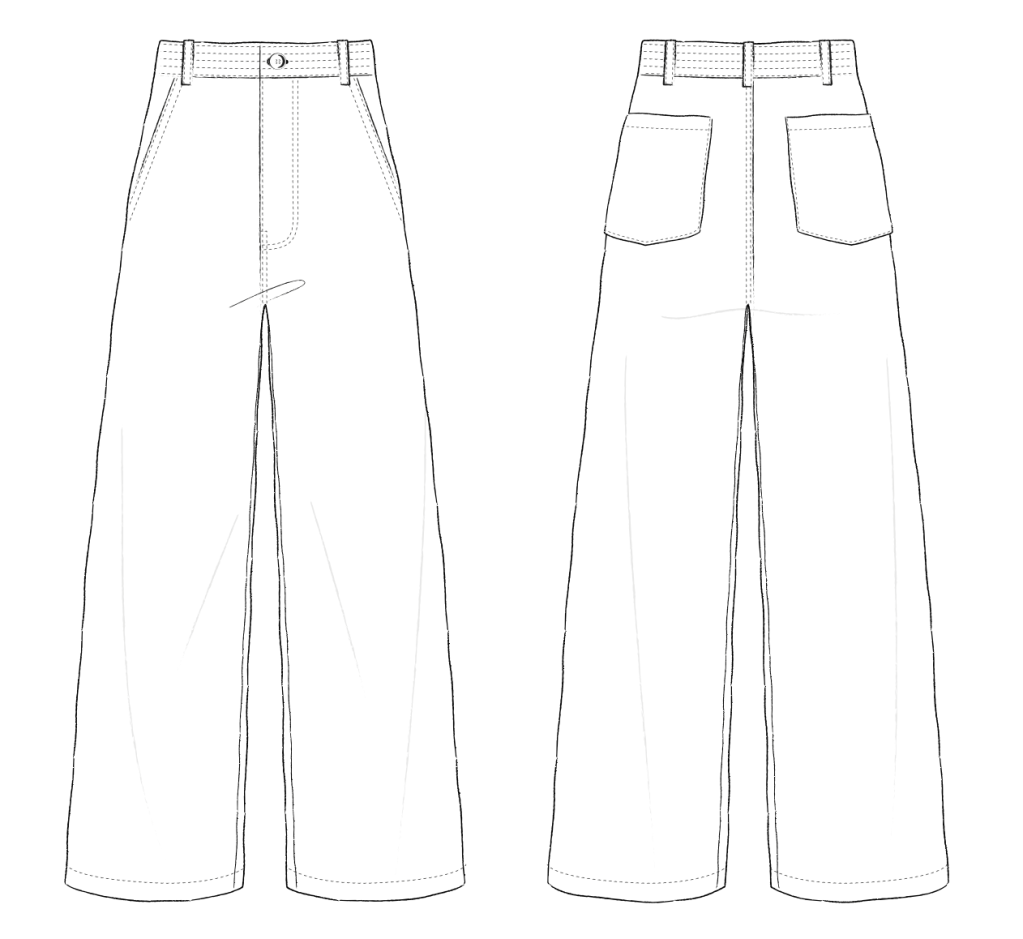
These design elements are similar to a number of other indie patterns, most notably the Persephone pants. I’ll take a deep dive into the drafting differences between these two patterns in a future post, but — spoiler alert — while they aim for the same overall look, these two patterns use completely different drafting approaches to get there. Daughter Judy also discusses some key drafting differences between Brier and an unnamed sailor pants with no side seam, as well as the impact on fit in this newsletter. The Persephone pants are notoriously challenging to fit, and I predict the Briers will be a welcome and better-fitting alternative.
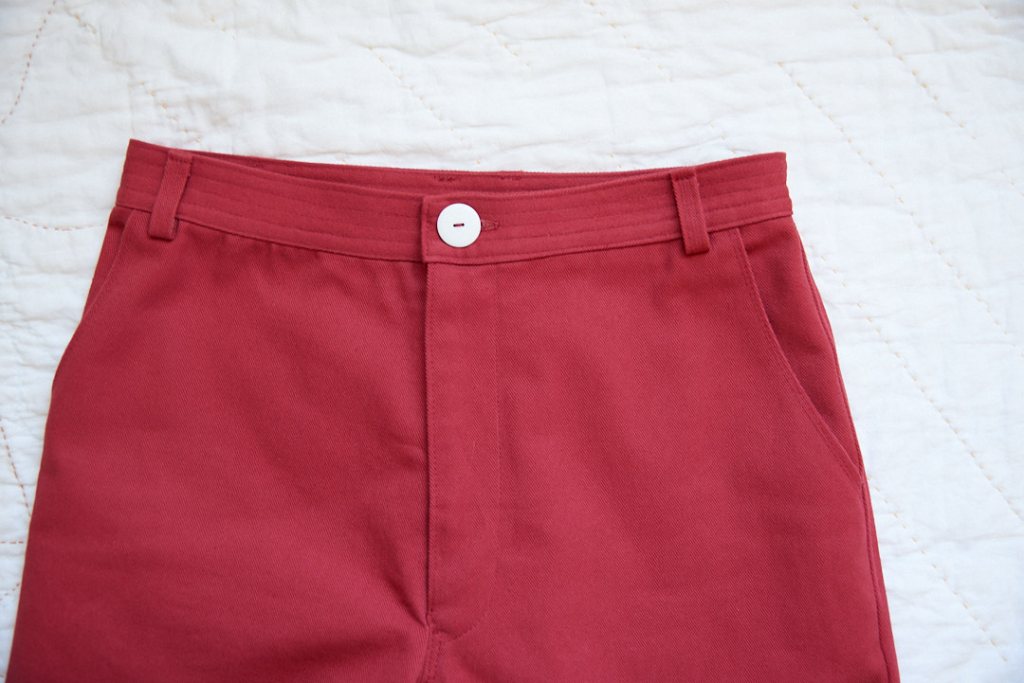
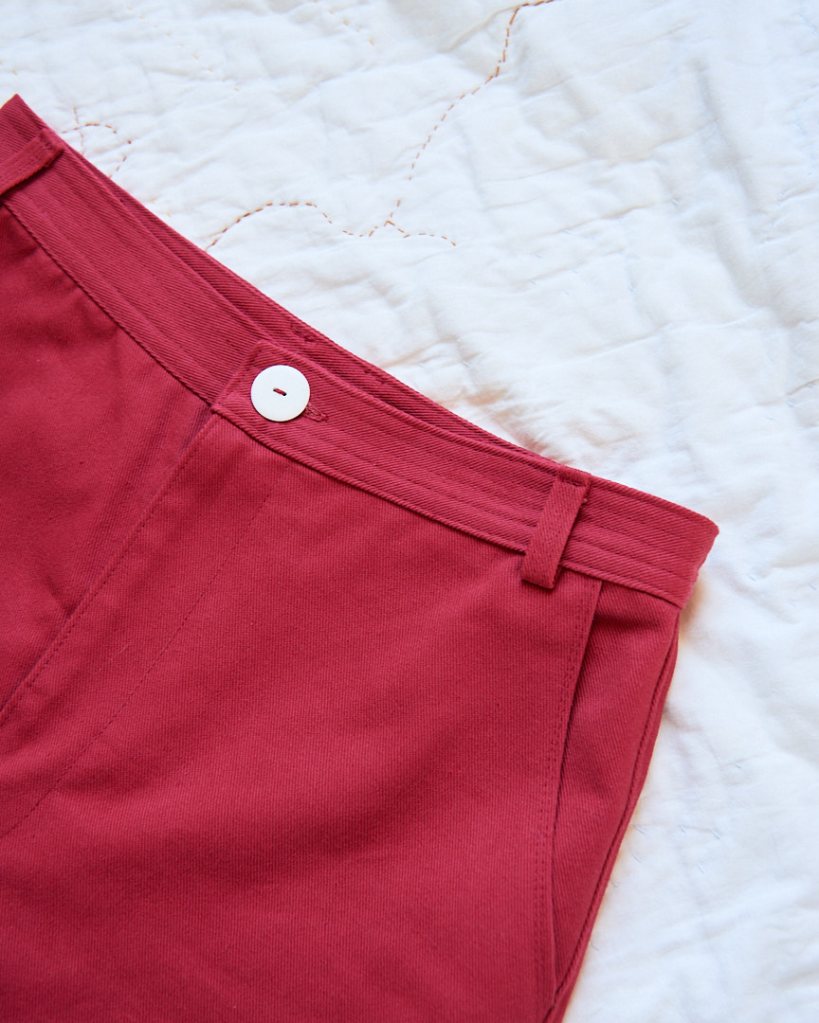
My favorite design element on the Brier pants is the topstitched waistband. It requires some care and precision to construct, but it’s a unique detail that sets these pants apart from other designs.

Sizing and Fit
The pattern comes in two size ranges and goes up to a 66.5 inch (169 cm) hip. My measurements are 32″ waist and 42″ hip, which put me at a size 12 in the DD range. The only modifications I made were for my height; using Top Down Center Out, I added an inch to the rise (front and back equally) and 3 inches to the hem.
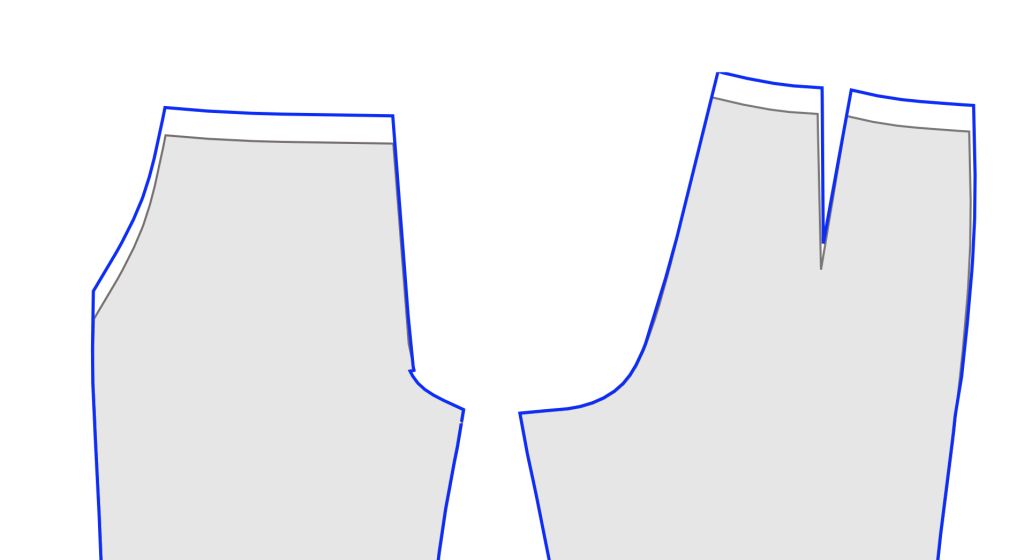

As mentioned above, Brier has a snug fit through the hips and crotch curve. Looking across the size range, the intended fit is 1.5 inches (3.8 cm) of ease at the hip in the DD range, and 1.75 inches (4.4 cm) of ease in the JJ range. So these numbers place the Brier pant in between the Worship jeans and the Coe trousers in terms of how they will feel on the body: Not as snug as Worship, not as roomy as Coe.

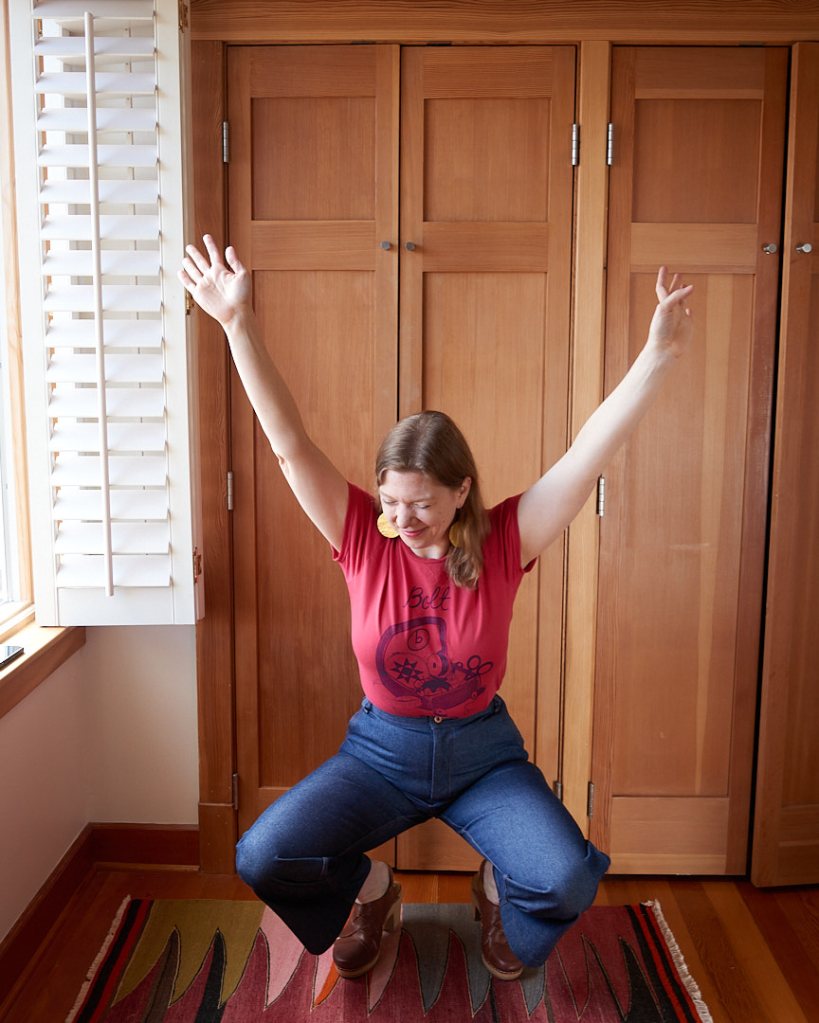
Like the Worship jeans, the Brier will feel snug when you first put them on, but will probably loosen up faster than Worship. Both of my Brier pants were immediately comfortable, which I’ve come to expect as a signature of Daughter Judy pants. They pass the squat test easily.
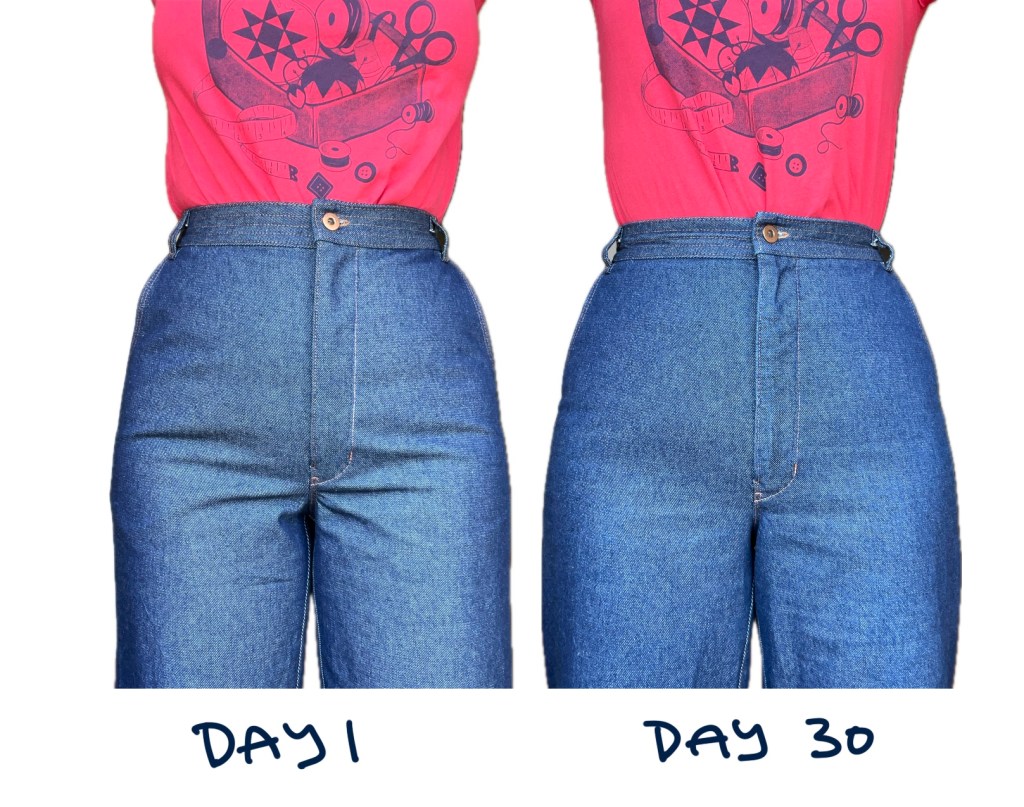
My Briers initially were a bit stiff, but both pairs broke in beautifully in a day or two. On first wear, the fabric around the crotch was whiskering a little (a totally normal feature of a snug denim pant, btw). But after a month of washing and wearing, these wrinkles essentially disappeared.

Fabric choice
This pattern is intended for mid to heavyweight fabrics like denim, twill, and canvas. I made both pairs of my Briers using 12 oz denim, and they grew a little and softened a lot after a wear or two. I think 10-12 oz is the sweet spot for this pattern.
If you are using canvas, which is a plain weave and less likely to relax on the body, you may want to add a little extra seam allowance along the side seam, or consider sizing up a half size or more for comfort.
Construction
The instructions for Brier are easy to follow with clear diagrams. Like all Daughter Judy patterns, Brier is best suited to intermediate sewists who are familiar with the basics of making pants. The fly construction is similar to the Coe trousers, but the instructions for Brier are enhanced with more detail and a few extra tips and tricks. I daresay these are the most comprehensive instructions from Daughter Judy yet, and I really like them.
For topstitching the waistband, the instructions give some useful tips for how to stitch each row of stitching for best results. I used a heavy duty topstitching thread, and set my stitch length to 4mm. I also used my semi-industrial Juki machine for maximum control and precision over the bulkiest areas. Once I completed all of the top stitching, I pulled the top thread through to the underside, knotted threads, and buried the thread tails. I also applied a dot of fray check to the knots for some extra security.
If you are using a domestic sewing machine, you will want to use a hump jumper for getting over thick seams, and you may also find it’s easier to hand crank your machine through the thickest parts of the waistband. Slow and steady is the key for even, unwavering top stitching lines.
As an added bonus, the top stitching provides some extra sturdiness to the waistband. I found that this waistband didn’t roll or become crushed after weeks of wear.
Final Thoughts
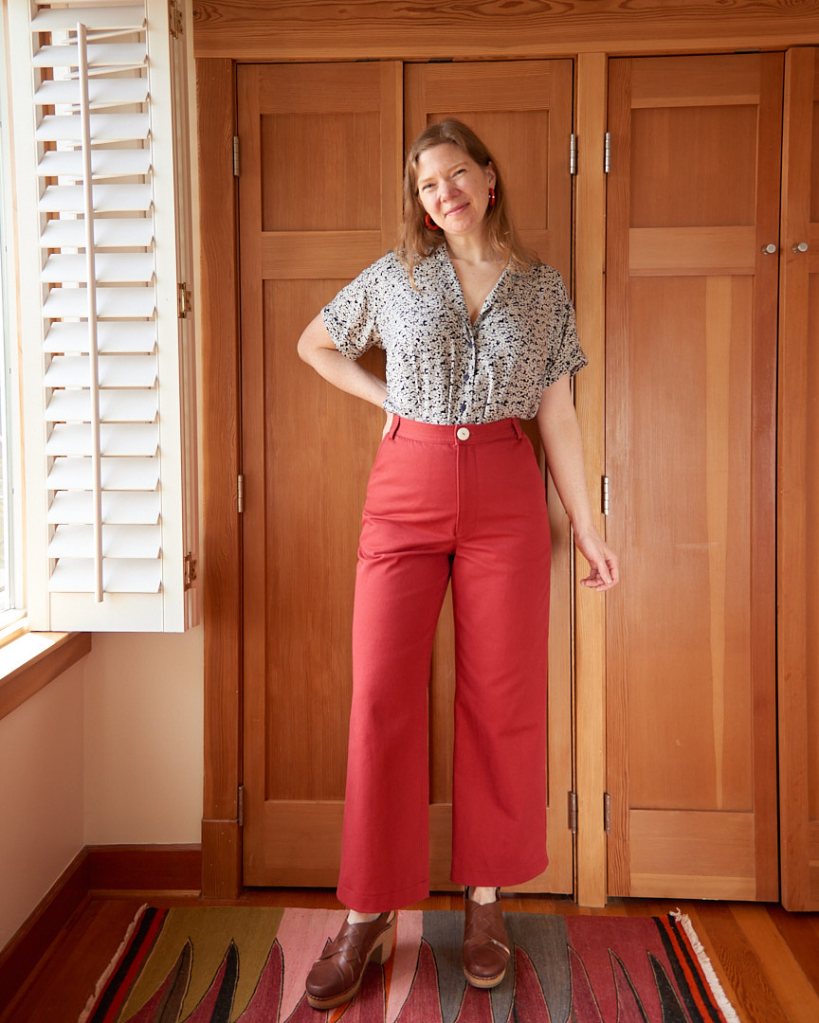
No surprises here, I love this pattern. After my initial pattern test in classic denim, I immediately cut out a second version in a precious red denim that I’d been saving for just the right wide leg. Daughter Judy knows their way around a pants pattern, and Brier delivers.
I’m still mulling over the details of a few pattern comparisons, so stay tuned for part two of the Brier deep dive, where I will look at how Brier stacks up against some other popular wide leg patterns.


 The Crooked Hem
Leave a reply to Carol Haines Cancel reply