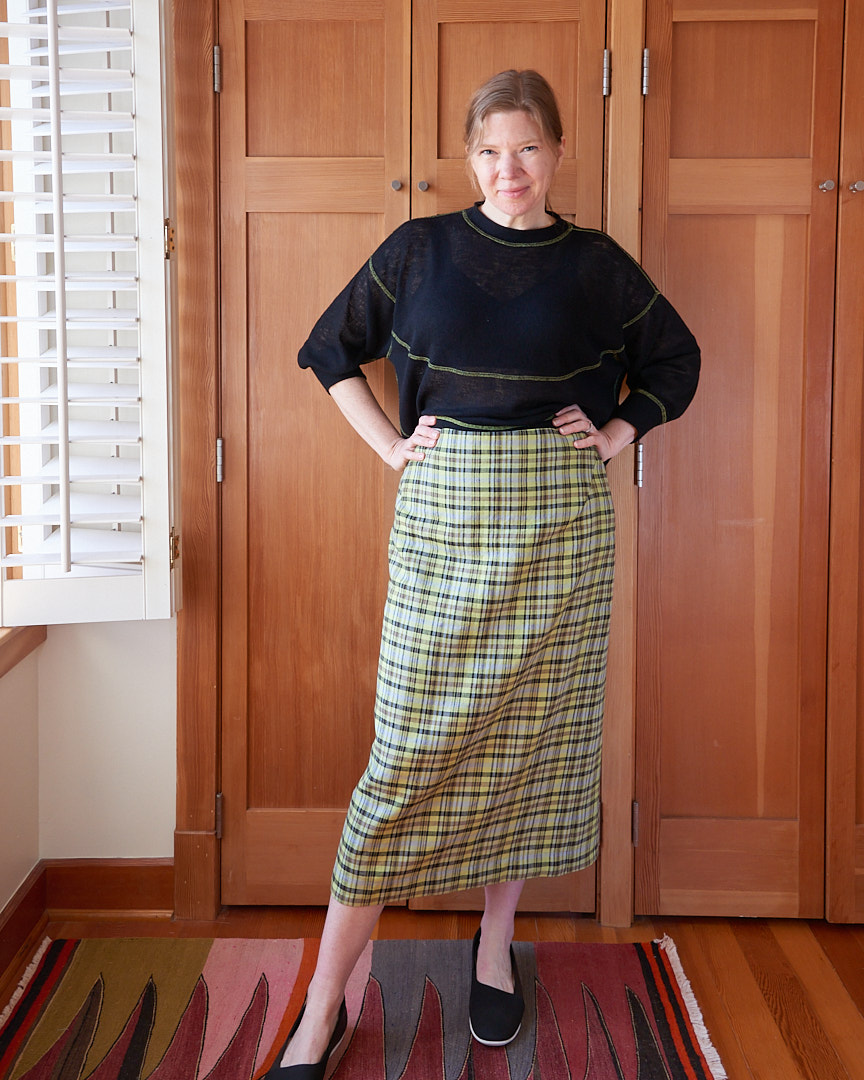
Recently, Chelsea of Daughter Judy Patterns shared her denim Teague skirt, and it reminded me that I’ve been wanting to revisit this pattern for a while. The Teague skirt is a pattern meant for knits, but with a few modifications, it works beautifully in a woven, too. In today’s post, I’ll walk through the modifications I made to the Teague skirt to adapt it from knits to wovens.
Design and inspiration
I’ve noticed a resurgence of the column skirt lately, and Teague fits right in with this aesthetic. I created a mood board with some inspiration photos here.
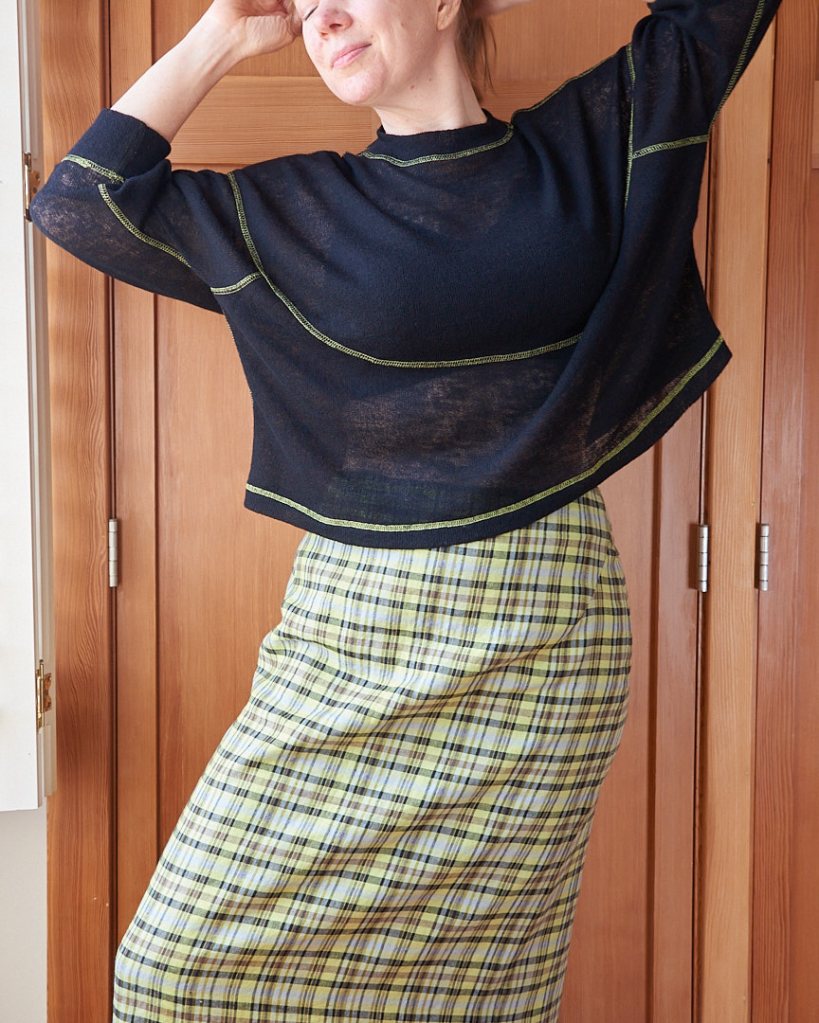
If you’ve followed me for a while, then you know that I have been trying to become a “skirt person” for a while now. I think I’m getting closer to figuring out what silhouettes I want to reach for — the fewer ruffles and gathers, the better. I love the cottage core aesthetic on other people, just not on me. So the column skirt seems like it should be my ideal skirt design: low volume and no gathers. This design can lend itself to a dressier, preppier look easily, but I like a funkier, more casual styling of this minimalist design. Here are a few examples:

Sizing and fabric choice
The Teague skirt is intended for knits with at least 20% stretch, and the skirt is drafted with negative ease for all sizes. My hip measures 42″, which translates to a size L. According to the Finished Garment Measurements chart copied below, size L has a hip measurement of 40″, giving me 2″ of negative ease at the hip.
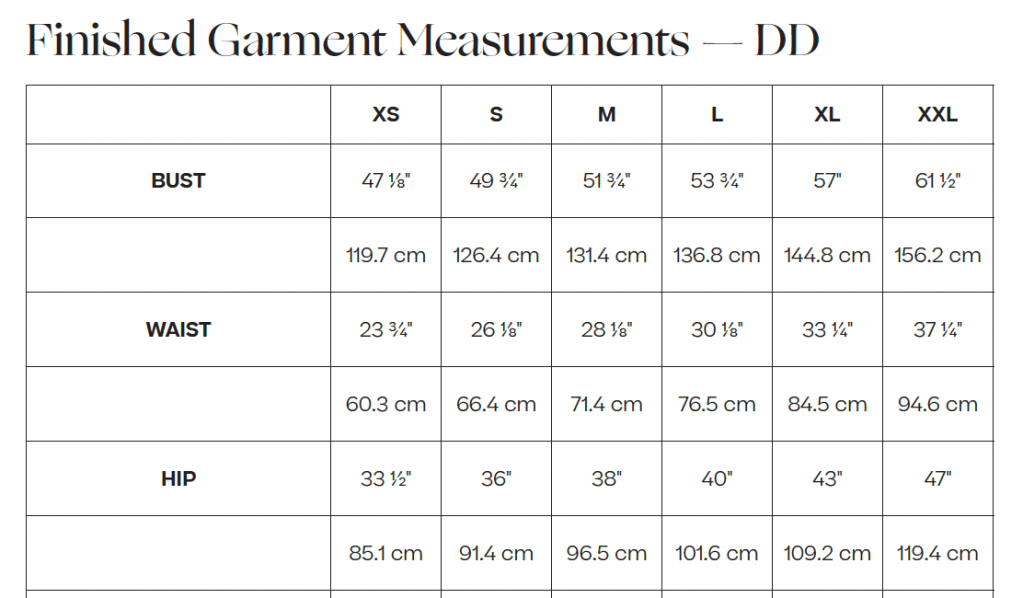
For this project, I’m using a lightweight, non-stretch linen for the skirt. Chelsea stated that we need at least 1″ of ease to get a non-stretch garment on the body, so sizing up to a size XL would give me that minimum 43″ hip circumference. Chelsea and I are the same size, and she sized up to an XL for her denim version.
However, I wanted to use a lightweight linen for my woven Teague, and denim and linen are two VERY different fabrics. Denim has a twill weave, which gives the fabric some elasticity. It’s also a hard-wearing fabric that is resistant to tearing and strain. My linen, on the other hand, shares none of these properties. It is a lightweight, plain weave fabric that is much more delicate than denim, and it can rip at the seams when under strain.
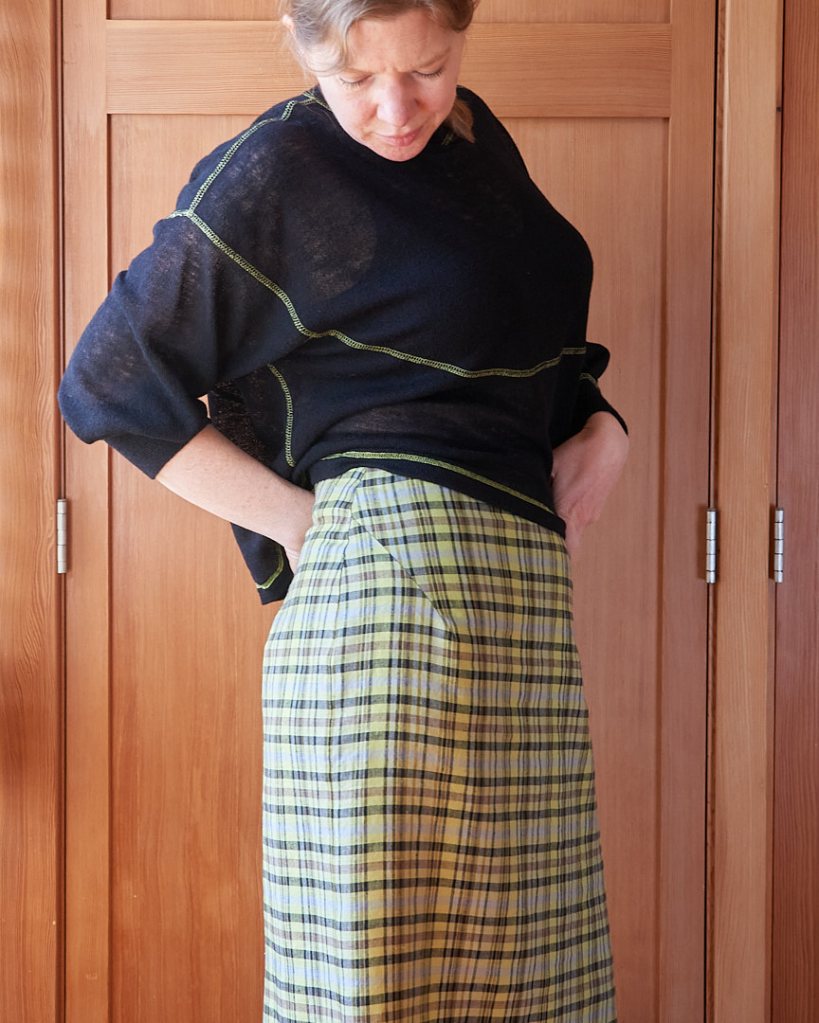
So to give myself some extra ease, I sized up one size at the waist and 1.5 sizes at the hip, tracing a cutting line in between the XL and the XXL. I used the dart location from the size XL:
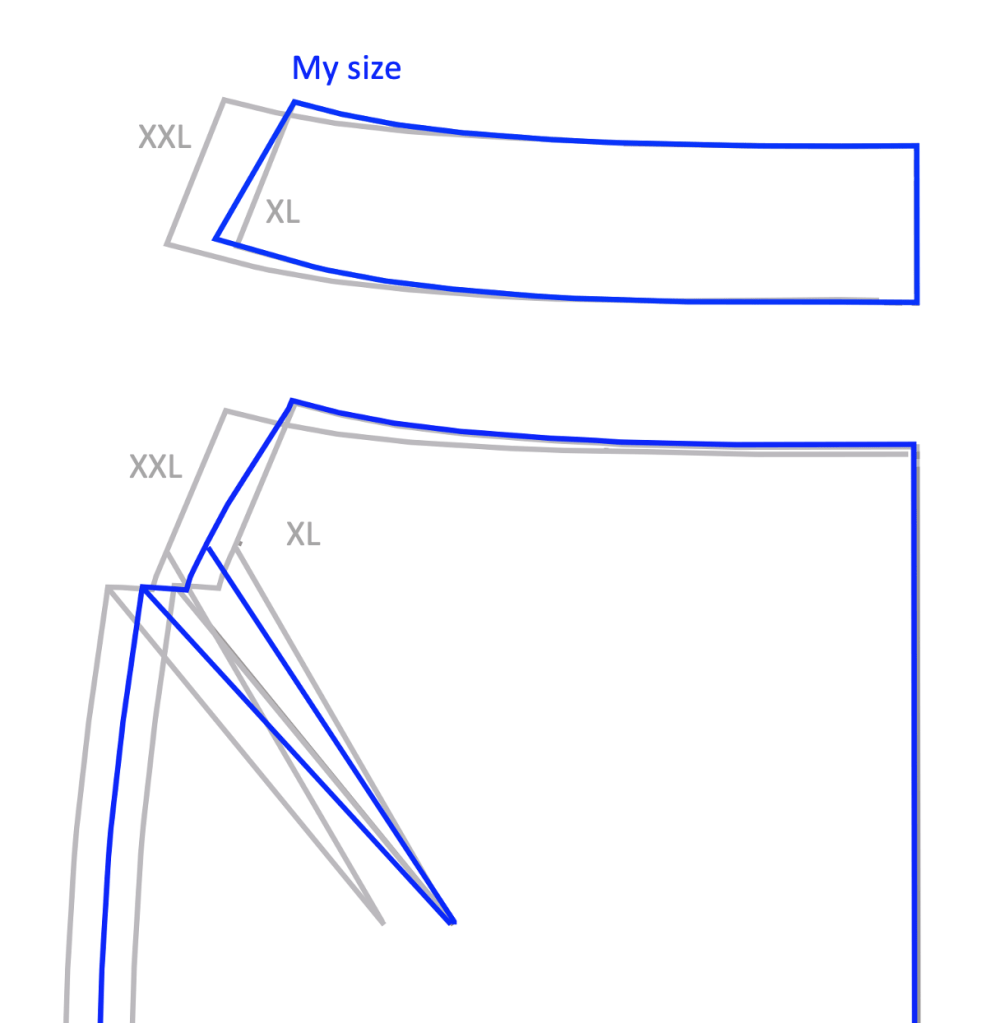
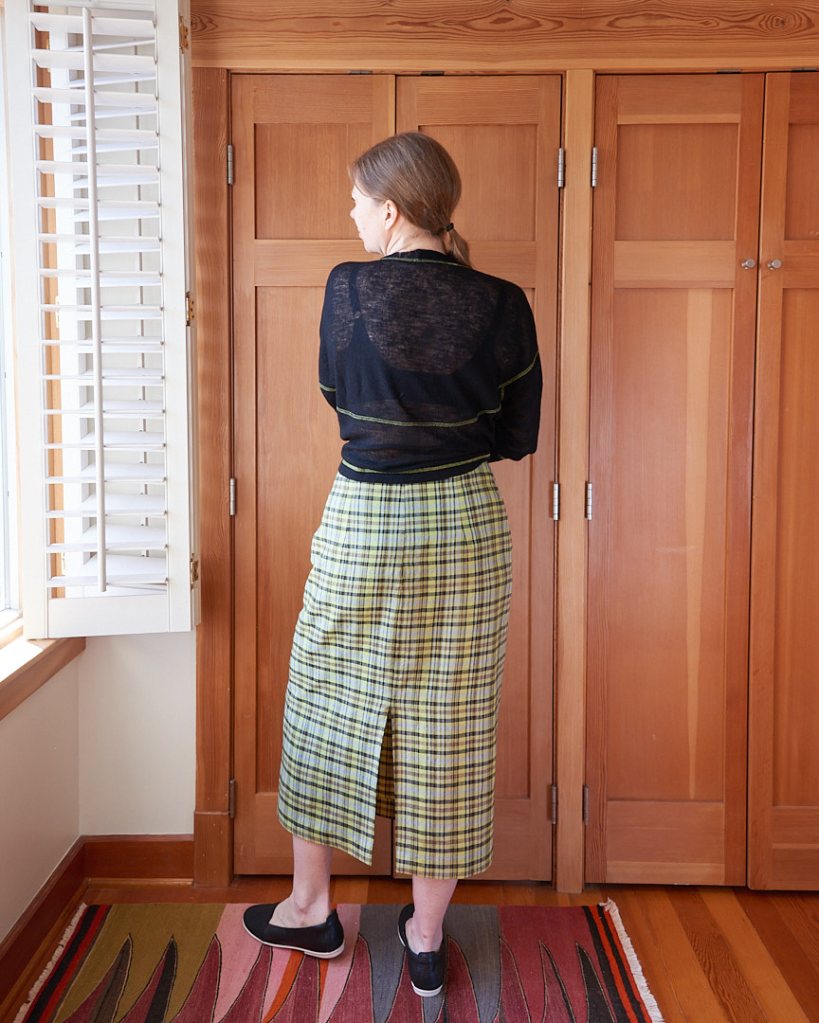
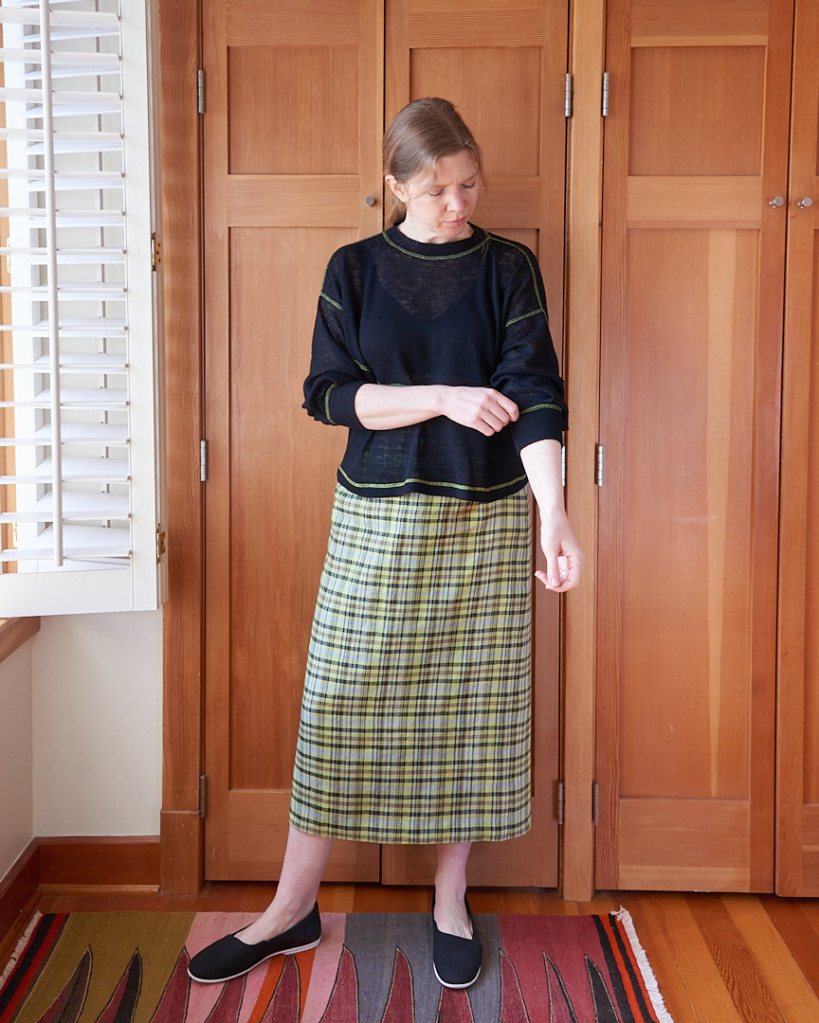
My final Teague skirt has 1.25″ of ease at the waist and around 4″ of ease at the hip. For me, this is about the minimum amount of ease that I’d want for a linen skirt.
Construction
I assembled this skirt mostly using my sewing intuition, and a little bit of trial and error. Here are the modifications that I made during the construction:
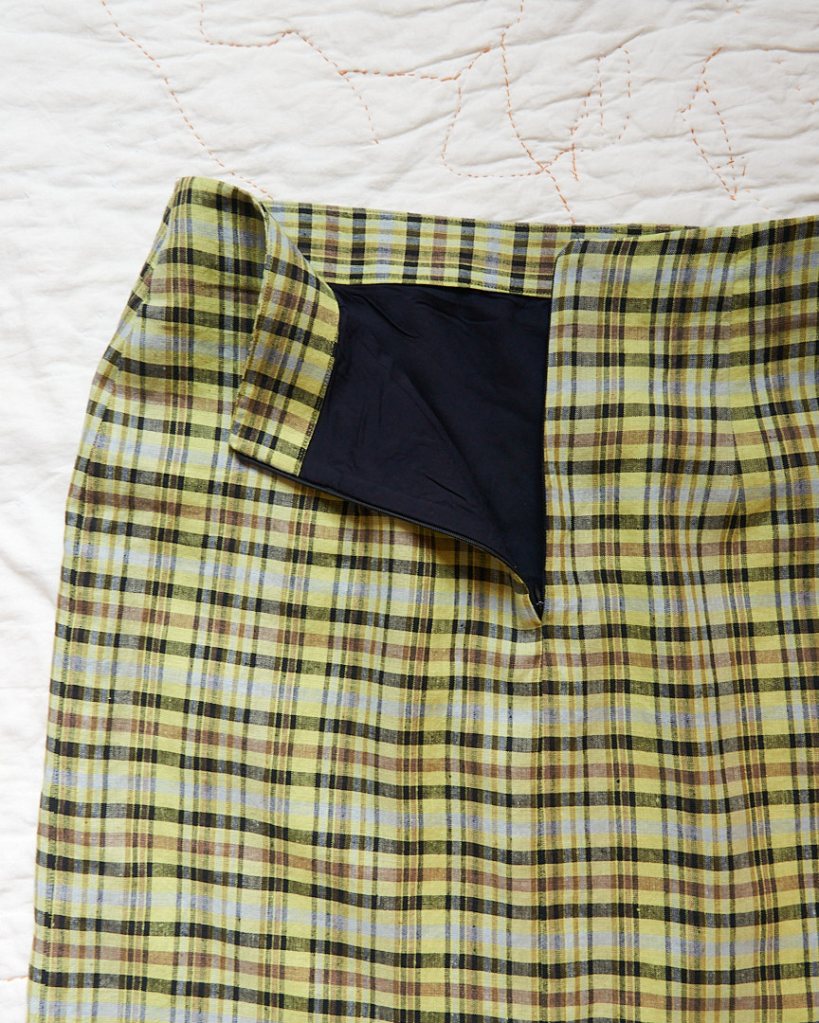
- Omitted the elastic waistband and added an invisible zipper to the center back seam.
- Interfaced the Front and Back Waist Tunnel pieces and treated these as a waist facing. I cut the Back Waist piece in half to accommodate the zipper and added seam allowance.
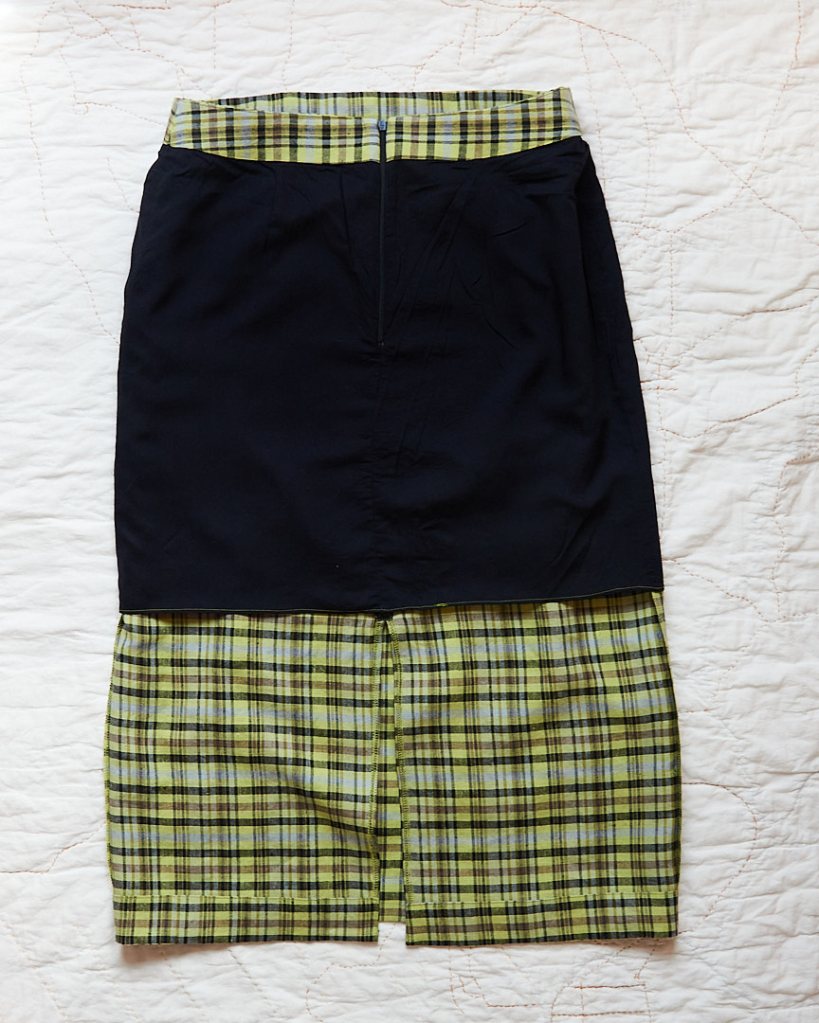
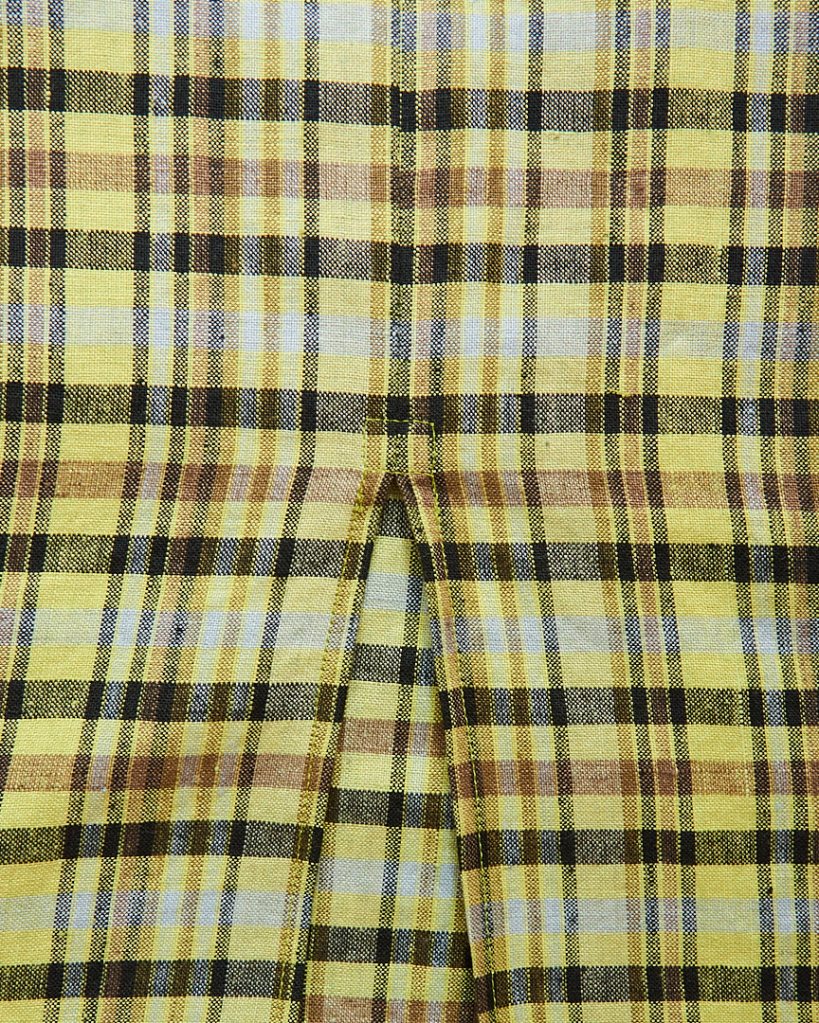
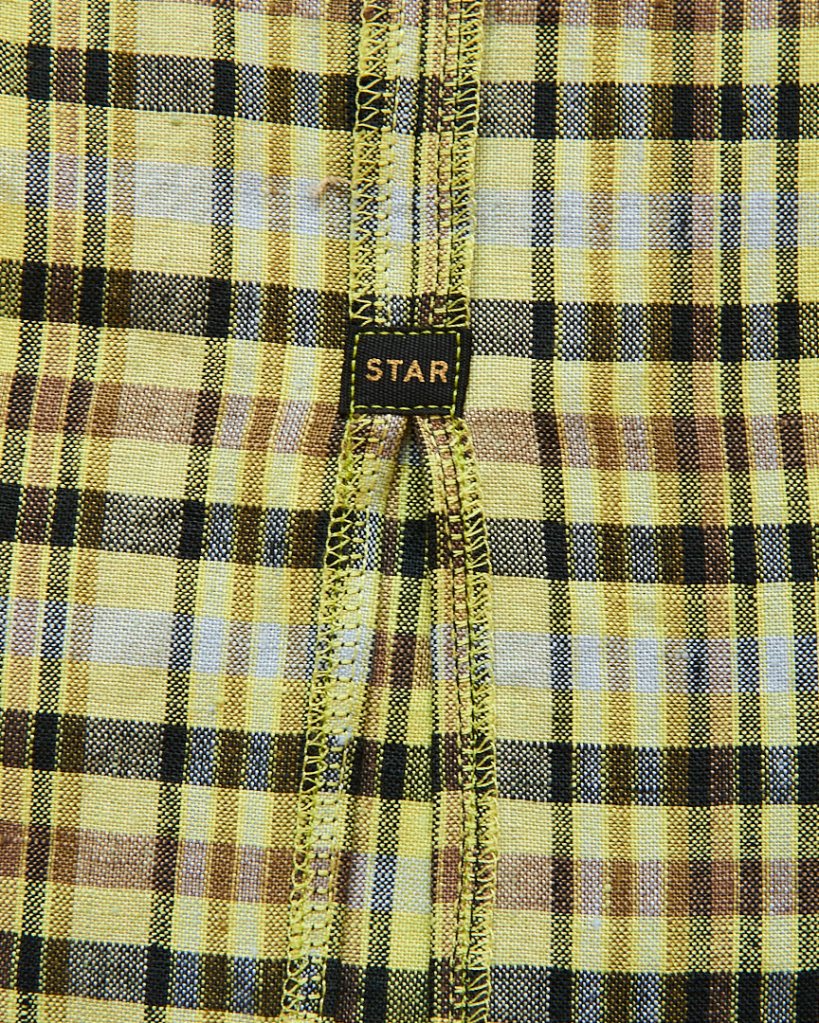
- Added a vent in the center back seam to increase range of motion for walking, then I reinforced the center back seam at the top of the vent with twill tape.
- Added a skirt lining since my linen was not quite fully opaque. An interlining for the skirt would be visible from the back vent, so I made a free-hanging lining and just made it shorter than the top of the vent.
- Added a hem facing to give the skirt hem a little extra weight.
If you’re looking for a tutorial for how to add a lining to a skirt with a facing, there are a few out there. I loosely referenced this one while assembling my Teague, and there’s also this one from Tilly and the Buttons.
Final Thoughts
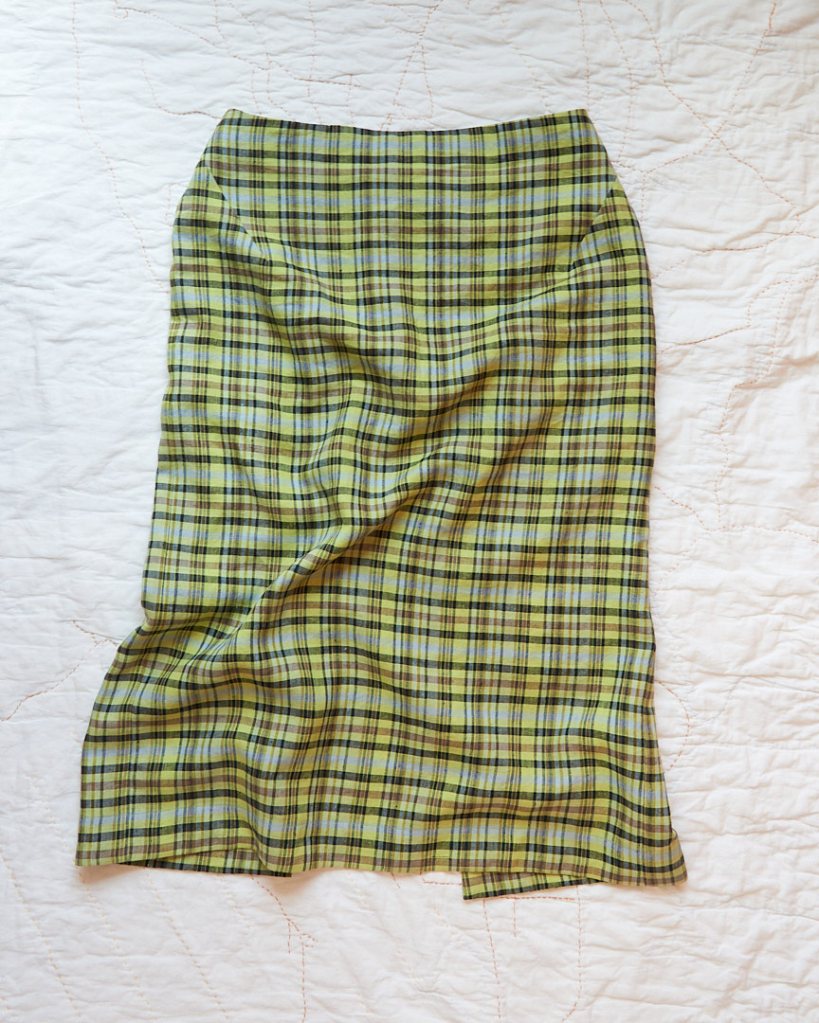
I really love this linen Teague skirt, and I was surprised how well this woven version turned out considering that sizing up was the only change required to translate the design from a knit to a woven. I think there will be a few more of these in my future this summer, maybe a denim version, too!
 The Crooked Hem
Leave a comment